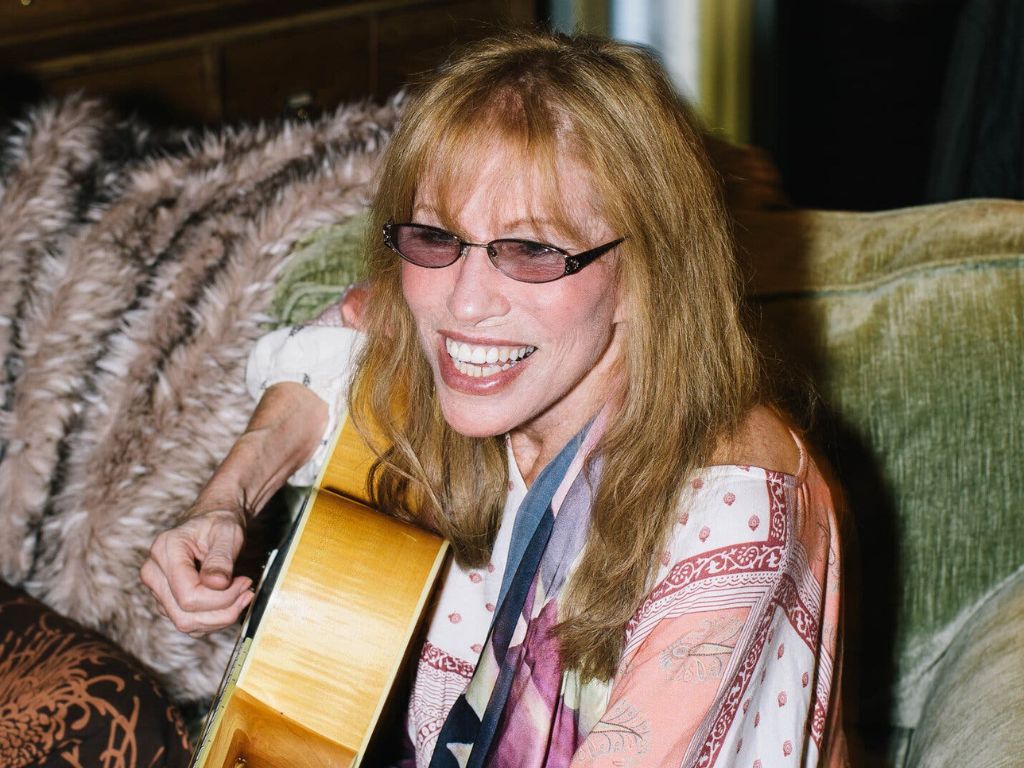
Legendary singer-songwriter Carly Simon recently opened up about her health situation, revealing that she has been diagnosed with Parkinson’s disease amid treatment for skin cancer.
Sharing the news on social media via an official statement, the “You’re So Vain” singer admitted that it had taken her some time to understand and adjust to her diagnosis.
“Parkinson’s is usually associated with movement, tremors, and balance, but it can affect much more than the body. It can bring anxiety, depression, exhaustion, and apathy. The apathy is particularly strange. You can find yourself lying there like a starfish drying in the sun, arms pointing in all directions, while nothing inside is telling you to get up, read, watch, write, sing, call someone, or do much of anything at all,” she posted. “That has been one of the hardest things to explain. It is not simply sadness or laziness. It is as though the part of the brain that sends out invitations to participate in life has temporarily misplaced the guest list.”
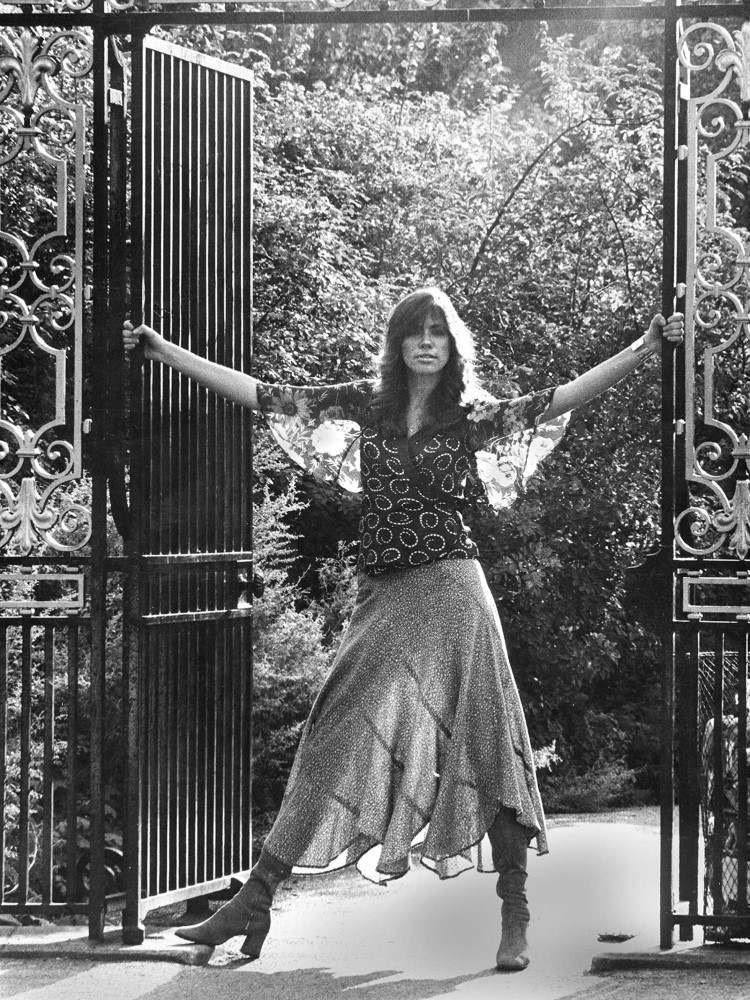

Carly revealed that she was also being treated for basal cell carcinoma on her face during the period, and that while the cancer was removed, the surgery had affected her appearance and made her self-conscious.
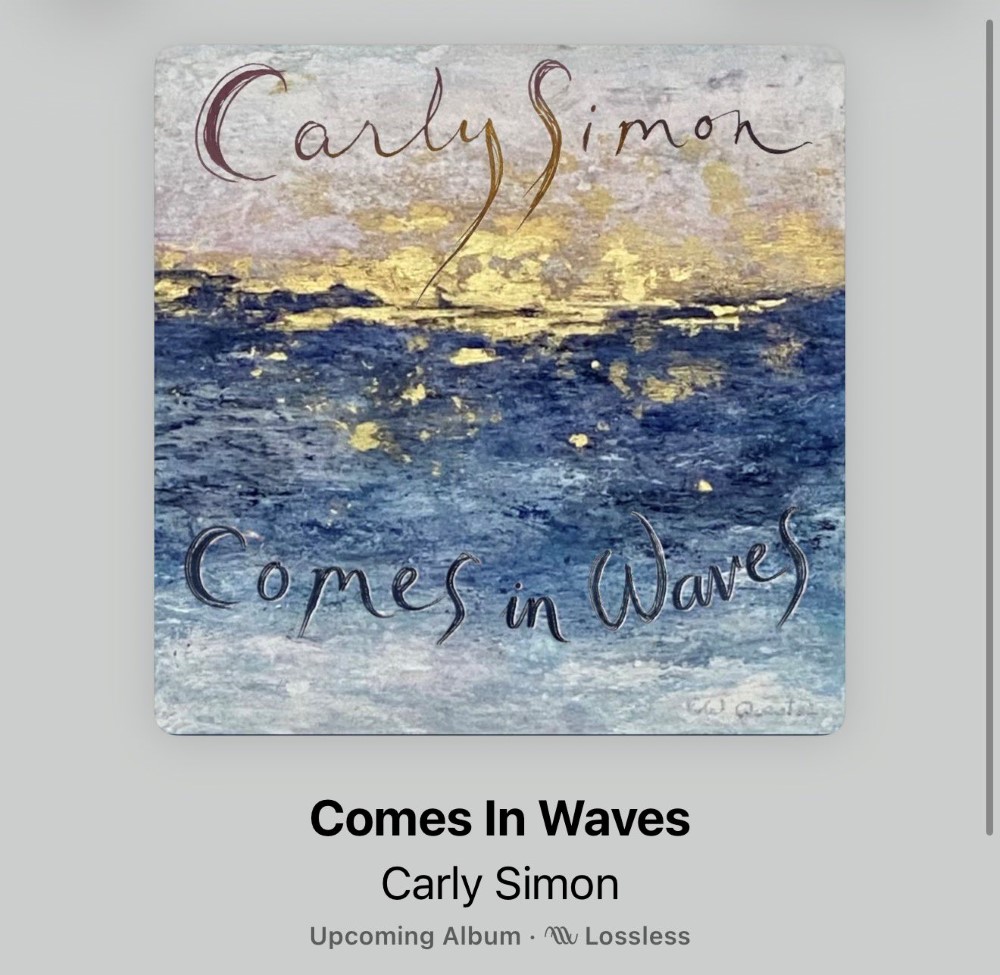
“Between my mobility issues, the Parkinson’s diagnosis, the surgery, and the emotional effects of it all, withdrawing from public view was the most palatable reaction. If a person is allowed to hibernate during both winter and summer, then I have become an all-season bear. But I have not stopped living, and I have not stopped working,” she said, adding that she had recorded her new album, “Comes in Waves”.
Carly admitted that making music gave shape to days that did not always have much shape.
“It gave me somewhere to go without having to leave the room. It reminded me that illness can change your life without becoming the whole of your life,” she wrote. “I do not consider Parkinson’s a gift or a blessing. It is neither. It is difficult, frustrating, and sometimes frightening. I am still learning how to live with it and how to accept it without feeling that I have surrendered something essential.”